Emerging categories often begin with fragmentation. Small, founder-led brands test different formats, price points, and narratives. Then capital flows to underwrite experimentation. Over time, as funding tightens and operational realities surface, consolidation becomes attractive. The alcohol alternatives category now appears to be approaching that inflection point.
Several conditions are in place
Venture capital is more selective and valuations have reset. Hiyo’s $19 million raise (Series A funds plus prior convertibles and a recapitalization, per its SEC filing) and Recess’ $30 million Series B in 2025 are exceptions, not the rule. Per PitchBook data, food and beverage venture funding peaked in Q4 2021 at $2.3 billion across 2,316 deals; by Q4 2022 that had collapsed to $800 million across 785 deals. Q3 2025 food and beverage CPG private equity deal counts fell another 20% quarter-over-quarter, with capital concentrating on category-leading assets rather than volume. The brands raising today are facing much more scrutiny.
Margin pressure is persistent, particularly in technologically complex formats like dealcoholized wine. Tariffs and inflation are landing at the same time consumer spending softens: in a June 2025 Kantar study of more than 10,000 consumers across 20 countries, 85% named inflation as a top concern. For small brands without pricing power or hedging infrastructure, each of these pressures compounds.
The aggregator thesis
In this environment, the idea of a multi-brand aggregator becomes rational.
The thesis is straightforward: combine complementary brands across segments, centralize back-office operations, negotiate with distributors and retailers from a position of greater scale, and present a diversified portfolio to buyers and investors. Shared infrastructure reduces overhead per SKU, and consolidated negotiations improve terms. Overall, cross-brand leverage creates optionality that standalone brands lack.
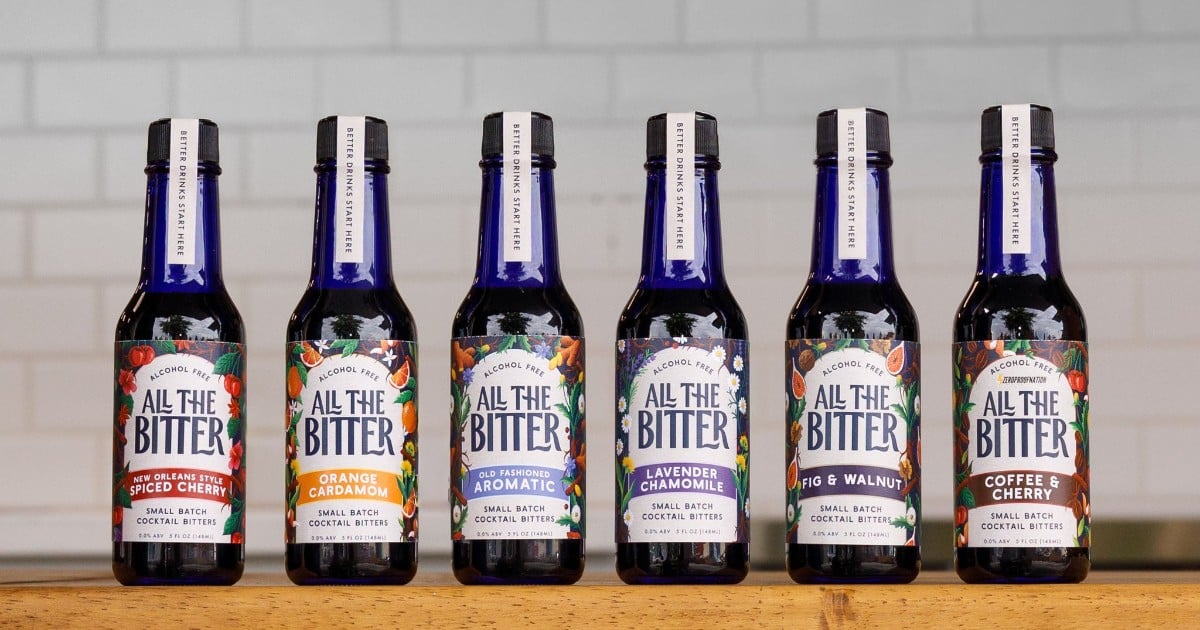
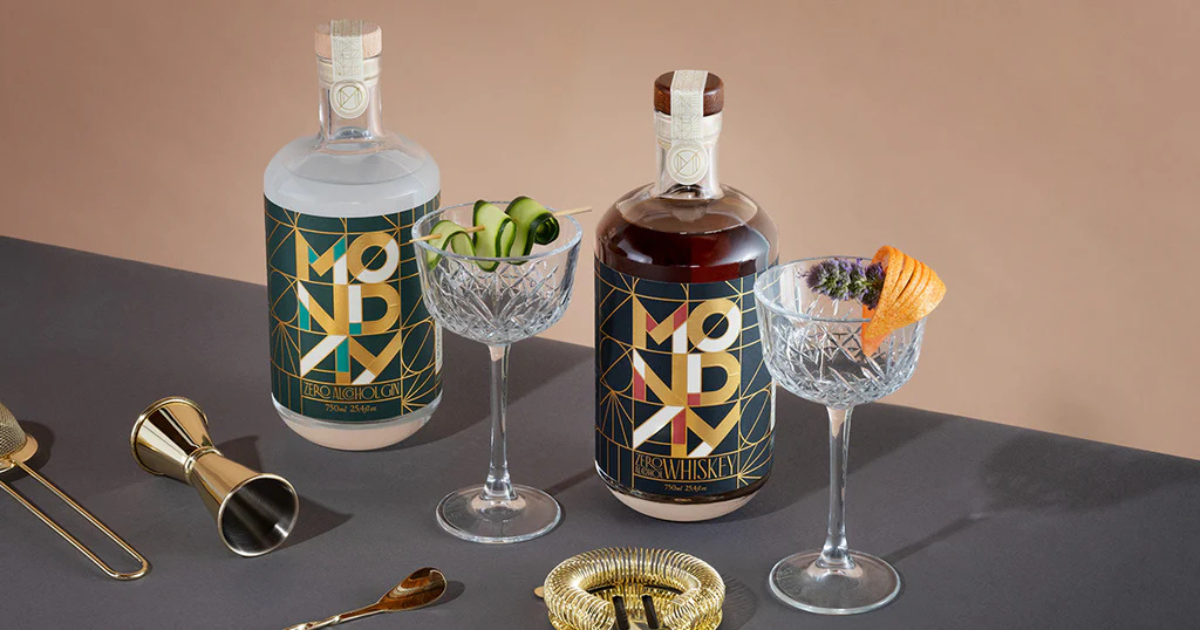
Early signs of this logic are already visible in lighter-touch forms. All The Bitter, Jøyus, Monday, and Blind Tiger—four founder-led brands spanning non-alc bitters, wine, spirits, and RTDs—formed a shared national sales team last year. The structure let them walk into buyer meetings with a unified portfolio rather than four separate pitches, and spread the cost of a senior sales hire that would have been more challenging to support individually. While it’s not aggregation in the full sense, it demonstrates that operators are willing to combine resources when the math works. The question is whether that willingness extends to ownership.
The aggregation caveat
The viability of a true roll-up depends on the quality of the underlying assets. Aggregation does not create demand where none exists, and pooling weak brands merely centralizes weakness. For a roll-up to succeed, each constituent brand must demonstrate defensible velocity and a clear consumer job to be done. Otherwise, shared operations become shared burden.
The inverse is also true: brands with real traction can compound each other’s growth inside a shared structure. A portfolio that combines proven non-alc spirits, wines, and beers can unlock placements they wouldn’t have secured on their own, because buyers can solve for a broader non-alc menu or shelf set in a single conversation. When the underlying demand is real, aggregation accelerates it.
Paths and the question of timing
There are several potential paths for consolidation. Founder-led collaborations could emerge first, particularly among operators who recognize that independence may limit leverage. Private equity could pursue distressed acquisitions at lower valuations, building a portfolio with disciplined cost control. Strategic alcohol incumbents, which possess distribution strength but have historically struggled with internal brand incubation, could selectively acquire assets once pricing reflects reset expectations rather than 2021 exuberance.
When will this happen? Aggregation tends to accelerate once the cost of remaining independent exceeds the perceived loss of autonomy. As fundraising becomes more difficult and a challenging economic landscape persists, that threshold approaches. The alcohol alternatives category has proven it can generate consumer curiosity and retailer interest. It hasn’t yet proven that a fragmented field of small operators can translate that interest into stable, long-term profitability. If consolidation does occur, it will signal that the category has entered a more disciplined, mature phase.