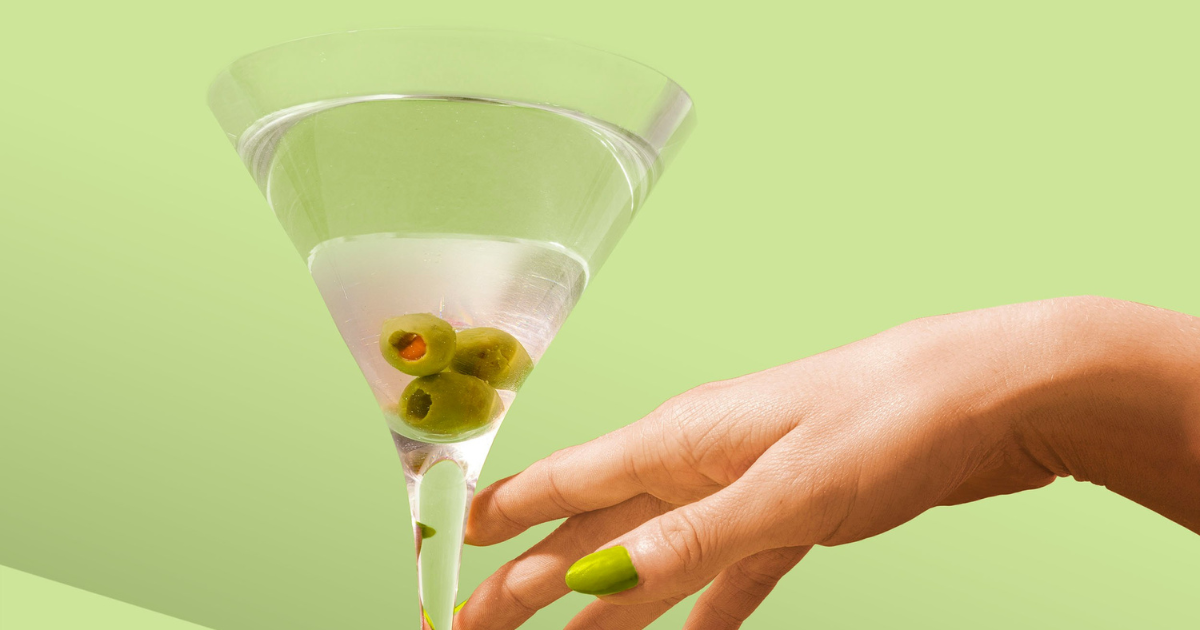
The rise of the term “flex drinking” represents a nuanced shift in beverage choices. Unlike complete abstinence or mindful drinking, which often emphasizes reduced alcohol intake for health reasons, flex drinking is about optionality. It’s for those who enjoy both alcoholic beverages and non-alcoholic ones, without a particular preference for either category.
This term differs from mindful drinking in its emphasis on variety rather than reduction. While mindful drinking might involve cutting back on alcohol for health reasons, flex drinking is more about enjoying the best of both worlds. It’s a lifestyle choice that allows for the enjoyment of traditional alcoholic beverages in moderation, while also exploring the expanding world of non-alcoholic options.
Flex drinking aligns with contemporary consumer behaviors that prioritize personal choice. It reflects a broader shift towards individualized consumption patterns, where people are increasingly tailoring their drinking habits to suit specific occasions and moods. The appeal of flex drinking lies in its adaptability; it doesn’t prescribe a rigid framework, instead encouraging a fluid approach to beverage selection.
Implications
- Marketing Messages: Understanding the flex drinker’s mindset is crucial for effective marketing. Brands can position their products not just as alternatives to alcohol but as integral components of a modern, flexible lifestyle. This approach requires nuanced marketing messages that resonate with consumers who are not necessarily looking to eliminate alcohol but rather enjoy it in balance with non-alcoholic options.
- Product Development: The blending of alcoholic and non-alcoholic preferences calls for innovation in flavor and product offerings. Beverage brands can consider developing complex, sophisticated non-alcoholic options that appeal to the flex drinker’s palate, potentially incorporating uncommon ingredients.
- Novel Beverage Market Expansion: As flex drinking gains popularity, there’s a significant opportunity for novel beverage brands to grow. Brands can capitalize on this trend by offering unique non-alcoholic options that differ from their alcoholic counterparts.