Non-alc is entering a consolidation phase.
Large incumbents now treat it as a portfolio requirement. They arrive with distribution leverage and marketing budgets that compress shelf space quickly. As velocity thresholds rise and resets tighten, brands without structural advantage face increasing pressure.
In that environment, hyper-niche operators become more interesting.
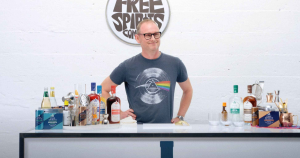
Disco Fizz and community density
Disco Fizz, founded by Ben Zumsteg, operates within a dense community.
“Our niche is the queer community, specifically queer nightlife,” Zumsteg explains. “In this niche, we found that guests are settling for more traditional options like energy drinks and fountain soda, while many premium NA options are not right for high-energy settings.”
Only six weeks into launch in New York City, the brand is adding venues weekly and already seeing reorders from its first customers. “Because the queer community is very closely connected, we’re also getting inbound interest from queer venues and parties around the country,” Zumsteg notes.
While the total addressable market is narrower, the loyalty curve has the potential to be steeper. When community density is high and word-of-mouth travels through tightly connected networks, door count becomes secondary to cultural penetration.
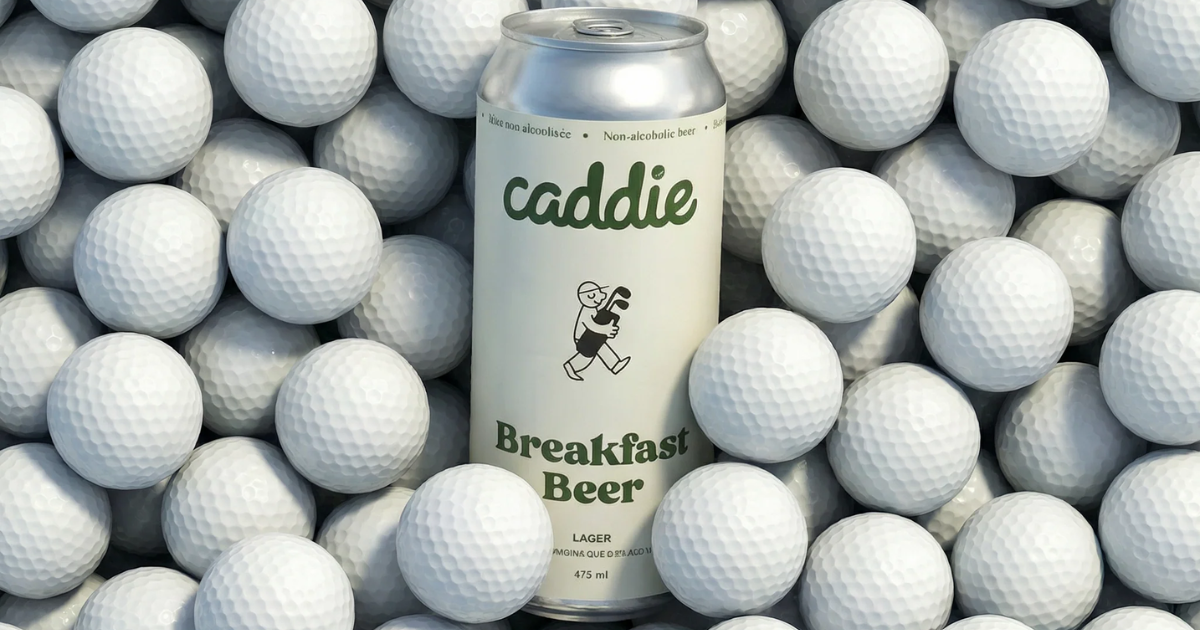
Caddie and occasion ownership
Instead of a distributed community, Caddie focuses on a single environment: the golf course.
“A national NA beer can enter golf courses,” founder Dan La Cute concedes. But he asserts that “building a brand whose identity is inseparable from golf culture requires a level of focus that larger operators often avoid. The brand’s ceiling is narrower, but the fit within its environment is tighter.”
La Cute’s insight: golf is ritualized and social. While alcohol has historically been part of that ritual, that’s shifting.
“As golf grows in popularity, we see more people entering the sport who prioritize performance, wellness, and longevity,” La Cute says. “This created a clear gap for a premium non-alcoholic option that still feels celebratory.”
Caddie launched with golf simulator studios, is seeing shorter reorder cycles, and reports that both F&B managers and consumers immediately grasp the positioning. When reaching out to courses, La Cute notes consistent feedback: operators want more premium products in their lineup.
(parentheses) and medium as strategy
With (parentheses), co-founders Nick Mechak and Tawny Lara focus on niche marketing tactics.
They initially followed the typical marketing playbook: steady digital output of Reels and influencer collaborations. “We did what you’re supposed to do,” Lara says, but it was “content that got buried by algorithms that prioritized brands with a bigger budget.” After two years, they reframed the problem. Channel misalignment was the issue; they were attempting to market like brands built for scale distribution rather than brands built around craft.
Enter their zine. Zines are self-published mini magazines with roots in punk and DIY culture. (parentheses) created a handmade, limited-edition issue to accompany their drinks.
In a category where many brands compete on digital frequency, (parentheses) chose medium alignment over media scale. “Everything about our drinks is handmade, intentional, and a little weird,” Lara explains. “It only made sense that our marketing should be, too.”
The barbell effect
As incumbents allocate more capital to non-alc, the category will increasingly resemble a barbell. On one side, scaled brands will compete through reach, distribution control, and sustained marketing spend. On the other, niche operators will compete through cultural precision, occasion ownership, and medium coherence.
Brands positioned in the middle without capital depth or sharp identity face the most risk. Broad positioning without scale advantage offers little insulation when shelf space contracts. Hyper-niche brands, however, are playing a different game.