The alcohol alternatives category is entering a new phase. Long gone are the days of questioning demand and proving legitimacy; now, new brands are entering an entirely different playing field.
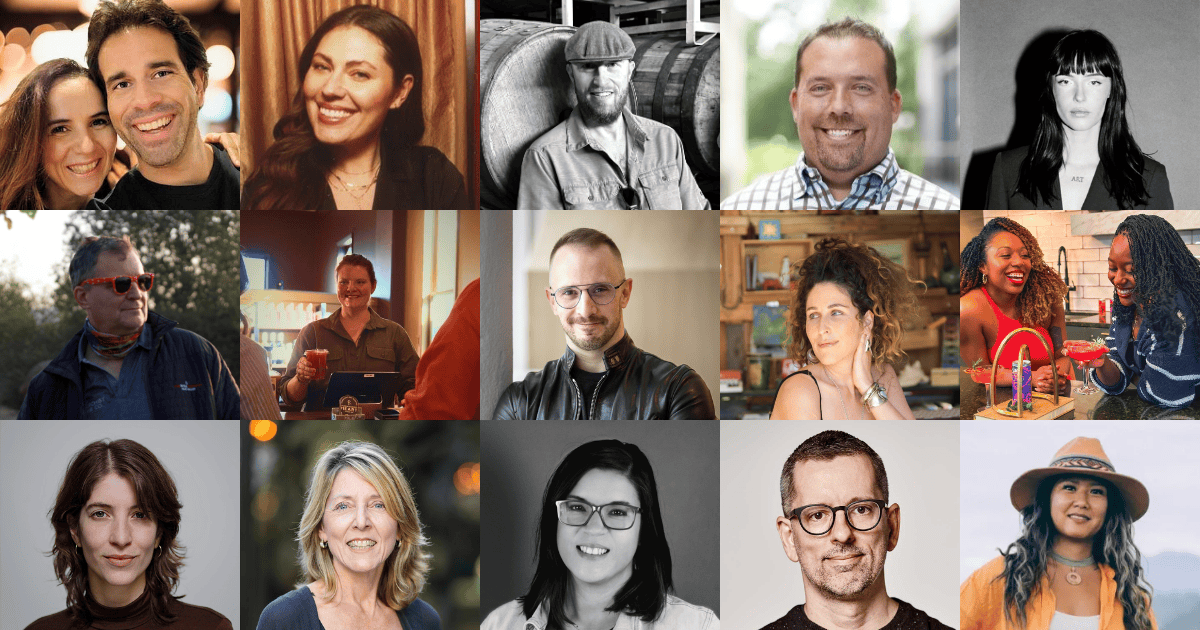
The next wave of founders must navigate an increasingly crowded category, applying their different backgrounds to win. They’re bootstrapped operators, former wine industry veterans, brand strategists, and land stewards who are approaching brand development and distribution in innovative ways.
Here are fifteen of those founders, and what you can look forward to seeing from them in the coming year.
Sara Budhwani, Nice Tea

Sara Budhwani is building what she calls a new category of mood-based functional drinks in Europe, where the non-alc space has lagged behind the US in innovation. Nice Tea launched with beverages designed around specific moments rather than mimicking alcohol or energy drinks. The focus on genuine functionality (nervous system support, aphrodisiacs, etc.) is what sets the brand apart.
In 2026, Nice Tea is raising funds and launching Fuego, a wind-down drink blending rooibos and five-year-aged Pu Erh with aphrodisiac herbs and relaxants. As European consumers increasingly question not just alcohol but also sugar and overstimulation, Nice Tea is positioning itself at the intersection of functionality and pleasure.
Anna Blazevich, Hummingbird Heart Co. & Soul Hum Elixirs
Anna Blazevich opened Hummingbird Heart Co. in Ashland, Oregon in 2025 as both a retail apothecary and community gathering space for people exploring sobriety and plant-based healing. Her dual-brand approach splits retail and events (Hummingbird Heart) from CPG (Soul Hum Elixirs), allowing her to build local roots while scaling a packaged beverage line.
In 2026, Blazevich is launching the Hummingbird Heart Podcast to feature conversations with sobriety and wellness leaders, while Soul Hum Elixirs debuts at its first major trade show after completing its second production run. The goal is to move Soul Hum from a local specialty product to a national brand while maintaining the authentic community connections that differentiate it from venture-backed competitors.
John Valiton, JoyRush

John Valiton launched JoyRush in 2025, targeting wellness-minded women with clean, fruit-forward hemp-derived THC beverages positioned as better-for-you alternatives to alcohol. The brand’s early traction in Minnesota, the Carolinas, and Tennessee demonstrates demand for premium functional beverages in markets beyond the typical coastal early adopters.
In 2026, JoyRush is pursuing a dual-track strategy: expanding retail distribution in current markets while preparing to launch a non-alcoholic, non-THC functional line. This second product line bridges mindful social drinking and everyday wellness, allowing the brand to capture consumers interested in functionality without THC (while hedging against regulatory uncertainty). It’s a smart play that diversifies revenue streams and broadens the addressable market.
Brian Niermeyer, Plaid Circus
Brian Niermeyer spent the pandemic experimenting with teas, herbs, and botanicals in his New York apartment before relocating to Kentucky to build production infrastructure for barrel-aged non-alcoholic spirits. By Batch #317, he’d developed a process that delivers real depth, structure, heat, and a long finish—what he calls “NA 2.0.” Plaid Circus is one of the only brands offering barrel-aged sipping spirits that stand alone rather than mimicking whiskey or bourbon.
In 2026, Plaid Circus is launching Social Spritz RTDs in Southern California grocery chains, including Erewhon, Lassen’s, Bristol Farms, and Mother’s Market in H1. Then they plan to expand to Sprouts and Whole Foods in H2. The move brings barrel-finished complexity to everyday grocery shelves, proving that premium non-alc products can work outside specialty channels.
Amanda Chen, Tomonotomo
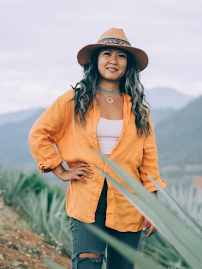
Amanda Chen turned her bartending roots and pandemic-era quest for sobriety into TOMONOTOMO, the first all-natural, non-alcoholic distilled agave spirit crafted in Oaxaca. After witnessing a market filled with thin “spirits” made from extracts or preservatives, she set out to build a real distilled spirit that honors agave tradition.
In 2026, Amanda is steadily expanding distribution while preserving her handmade, ingredient-driven ethos, showing that non-alc doesn’t have to dilute depth as it scales.
Tracy Sweeney, Tomorrow Cellars
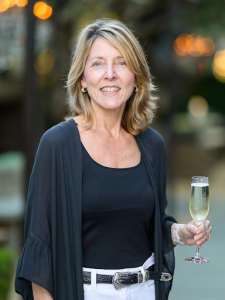
Tracy Sweeney brings deep wine industry experience to Tomorrow Cellars, while her co-founders David and Jen Risher come from innovation backgrounds. As neighbors in California Wine Country, the three founders shared frustration with existing non-alcoholic wines that didn’t meet their quality standards—especially in Napa, where wine is culture.
Tomorrow Cellars is currently raising $2 million (targeting completion by end of Q1) to increase production by 50% and expand distribution into the Midwest. The capital raise is focused on attracting a strategic investor who can elevate the brand beyond friends and family funding. Tomorrow Cellars is betting that quality-obsessed wine drinkers will embrace non-alcoholic options if the product actually delivers on flavor and ritual.
Ben Zumsteg, Disco Fizz
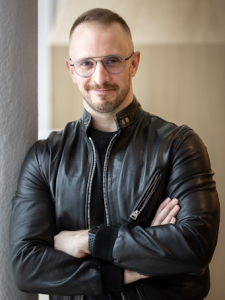
Ben Zumsteg’s background in brand strategy shaped his approach to Disco Fizz, which launches this summer as an energy drink inspired by the joy and connection of the dance floor. Rather than starting with a product, Zumsteg began by identifying a clear target customer (initially the queer community) and understanding their needs, wants, and pain points before building the product and brand.
Disco Fizz is launching via New York City nightlife venues, queer spaces, and local retailers, focusing on community-first distribution rather than broad retail. The brand is built around feeling good, moving freely, and staying present, all values that resonate with its target consumer.
Lexx Mills, Stursi
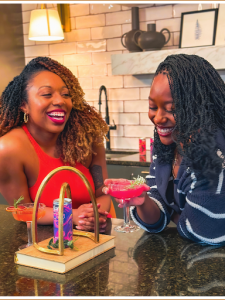
Lexx Mills co-founded Stursi with her sister Livv after realizing that most non-alcoholic options didn’t deliver what they missed from cocktails. Instead of leaning into wellness cues or adaptogens, Stursi takes a flavor-first, ritual-driven approach: crafting non-carbonated cocktails designed to stand on their own or mix seamlessly into alcoholic drinks.
In 2026, Mills is focused on building Stursi into a cultural rather than functional brand, positioning it as a full-bodied alternative for anyone who wants the cocktail experience without the alcohol. As the category shifts away from mimicry toward identity and occasion, Stursi’s commitment to flavor and ritual gives it a distinct edge.
Megan Pralle, Yonderbound
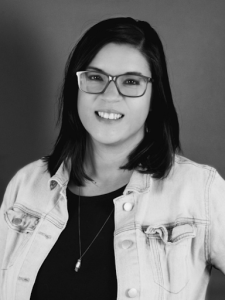
Megan Pralle and her husband Eric founded Yonderbound as a bootstrapped, investor-free hemp-derived cannabis company based in Des Moines, Iowa. The couple developed Trail Mixers—low-dose, portable cannabis mixers—while actually using them: on the road, in the woods, around the fire, on trails with their dogs.
In 2026, Yonderbound is focused on expanding retail presence throughout the Midwest while deepening roots in its local community. As a young bootstrapped business, the goal is intentional, sustainable growth that aligns with their vision for the brand. The no-investor approach means they answer only to themselves and can prioritize product quality and community fit over aggressive scaling.
Wagner Vargas, Norïe
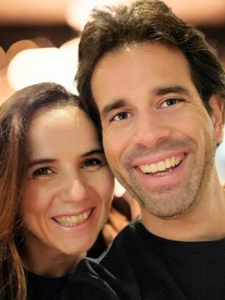
Wagner Vargas brings a passion for wine occasion beverages to Norïe, while his wife and co-founder Carolina contributes a deep culinary background. Their collection of sparkling blends crafted from fermented flowers and botanicals was born out of Wagner’s personal lifestyle change, after replacing his 200-bottle wine cellar with every non-alc drink he could find.
Norïe stands out by using fermented flowers as its base. The brand is leveraging the creative freedom of the non-alc space to experiment with fermentation techniques and flavor profiles that wouldn’t fly in traditional wine. In 2026, the brand plans to roll out a new format created with Gen Z and casual-chic drinkers in mind.
Philip Von Burg, deAlchemy
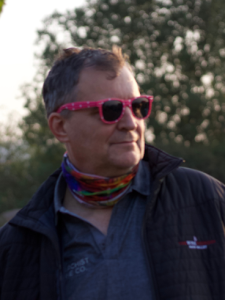
Philip Von Burg owns The Wine Foundry and Anarchist Wine Co., bringing extensive winemaking experience and an innovator’s mindset to the non-alcoholic space through the deAlchemy sub-brand.
deAlchemy is now in an early growth stage, seeking distribution partners and retail placements. The brand targets wine lovers who want non-alcoholic substitutes that actually taste like wine—not sweet juice. Von Burg’s production infrastructure enables rapid experimentation with wine-adjacent products based on market feedback.
Marcelo Cardoso, Driftology

Marcelo Cardoso founded Driftology after struggling with insomnia and eventually connecting the dots between his nightly drink and waking up at 3 AM. The brand focuses on functional nightcaps designed for unwinding and better sleep—an emerging corner of the non-alc space aligned with the 1 in 4 people moderating alcohol who cite improved sleep as a driver.
In the meantime, Cardoso has built Driftology’s Instagram into a community hub (40,000 followers) for functional cocktail recipes focused on sleep and relaxation, building authority even before launch.
Sara Hershkowitz, Glasrose Zero Proof
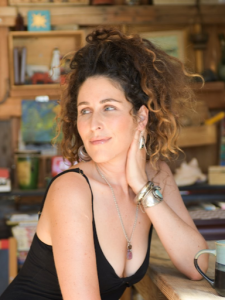
Sara Hershkowitz and her husband Max are musicians, writers, and land stewards of a 105-acre farm and vineyard in Santa Ynez, California. Both stopped drinking three years ago and spent the last two years creating Glasrose, a verjus-based beverage made from their own organic grapes and infused with elderflower, yuzu, and pink Himalayan salt.
Glasrose launched in November and is already resonating with the warmth and community-consciousness of the non-alc space. In Sara’s view, the brand benefits from being crafted by people who live a sober lifestyle—something increasingly valued as the category matures.
Haylee Jordan, FABRIC

Haylee Jordan co-founded FABRIC, a functional beverage brand born in Denver with a mission to UNFK TMRW. FABRIC donates 2% to mental-health initiatives and crafts better-for-you hop waters made with Australian botanicals like Galaxy hops. The brand isn’t anti-alcohol—they simply focus on optionality.
From idea to retail shelves in just seven months, FABRIC made early waves in a crowded category. In 2026, the brand is poised for expansion in both non-alc and THC-infused offerings while advocating for thoughtful regulatory standards in the space.
Isabella Hoag, OSIA
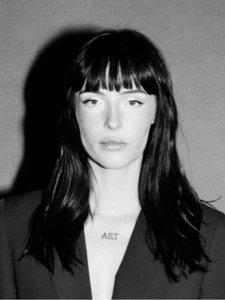
Isabella is building OSIA as a premium functional beverage brand centered on lifestyle, mood, and intention. With a background in creative strategy, operations, and brand development, she focuses on crafting drinks—and environments—that evoke meaningful feeling.
OSIA’s mood-forward beverages combine real fruit, herbs, and botanicals to deliver low-sugar, caffeine-free options suited for any moment. In 2026, OSIA is expected to become a go-to choice for mindful drinkers seeking sophisticated, intention-driven beverages.