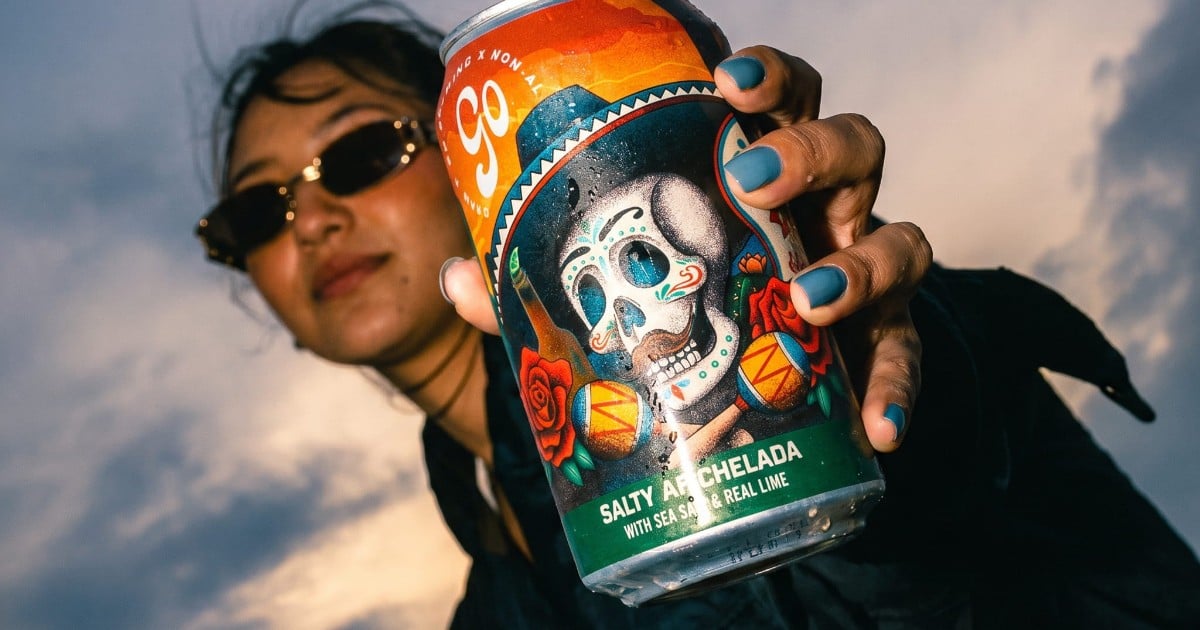
Every January, a movement known as Dry January takes root in the United States. For the entire month, many drinkers choose to abstain from alcohol altogether. But where did this movement even come from?
While this “all or nothing” approach feels distinctly American, Dry January actually started in the United Kingdom in 2013. Alcohol Change UK first launched it as a public health campaign, challenging Brits to give up alcohol for the month to reset after the holidays. Its goal? To encourage healthier drinking habits, making people rethink their relationship to alcohol. It soon caught on in the United States, sparking a broader conversation about wellness and responsible drinking.
The growth of Dry January in America is evident in the numbers, particularly among younger adults. According to Morning Consult’s latest research, 21% of U.S. adults ages 21 and over say they’re partaking in Dry January this year. That’s a 6 percentage point increase from 2023. “While Dry January is nothing new, this level of participation is,” says Morning Consult. “In fact, it’s the highest level we’ve seen since we began asking about it in 2021.”
A more flexible approach, known as “Damp” or “Dry-ish January,” has also been gaining traction. Damp January involves reducing rather than eliminating alcohol, making it an appealing option for a wider range of people. Damp January also reflects the growing trend of blurring the line between alcoholic and non-alcoholic beverages. I dove into this topic in a previous article. It’s about finding a balance that works for each individual.
While the complete avoidance of alcohol for a month was once a fringe idea, it has become a mainstream movement. And, for those who prefer moderation over elimination, Damp January now provides more optionality. As we look ahead, the rise of Dry January and its more flexible variants may have lasting implications for America’s drinking habits. They’re not just about abstaining or moderating for a month. They’re bringing intentional alcohol consumption to the forefront of our culture, paving the way for more health-conscious drinking in the long run.